
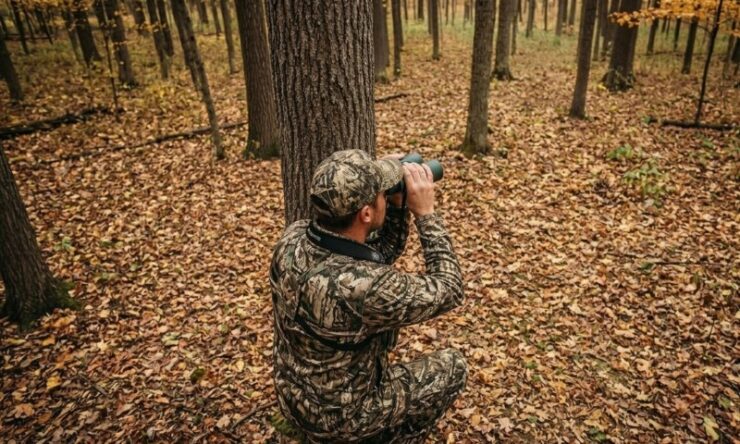
Planning your Virginia hunting trips for 2026 isn’t as simple as checking a single calendar. Between deer, bear, turkey, and waterfowl, every species comes with its own set of dates, zones, and bag limits.
The best way to stay safe and legal is to start with the Virginia Department of Wildlife Resources (DWR) and then double-check your specific county or public land rules.
Since we’re currently in June, the DWR is still using the July 2025 through June 2026 digest for early dates. You’ll want to keep an eye out for the next DWR digest to confirm all your fall 2026 plans.
Quick Virginia Hunting Seasons Snapshot For 2026
| Game | Main 2026 Planning Window | Key Planning Note |
| Deer | Urban archery and late archery reached into spring 2026; fall dates vary by method and county | County rules matter more than a statewide shortcut |
| Spring turkey | April 4 and 5 youth weekend; April 11 through May 16 regular season | Early spring hunting ends at noon, then expands to sunset |
| Bear | Fall dates vary sharply by county | Mange, hound rules, and county closures can change a plan |
| Squirrel | June 6 through 20 spring season; fall opens September 6 in the current digest | Good lower-cost entry point for newer hunters |
| Dove | September 1 through October 19, then two later split segments | Opening day starts at noon |
| Ducks | October, November, December, and January split segments | Stamps, HIP, species limits, and non-toxic shot matter |
Important Changes to Watch in 2026
The big theme for 2026 is local variation. You’ll find longer firearms seasons for deer on private lands in several western counties and updated “Earn a Buck” requirements in various spots.
If you’re hunting in Greene, Hanover, Henrico, or James City, take note of the specific early and late antlerless-only firearms seasons. Also, keep an eye on bear regulations in areas affected by sarcoptic mange, as rules have tightened there according to the new DWR regulations.
Don’t rely on old screenshots! What worked on private land last year might be totally different on a Wildlife Management Area this year. Success starts with knowing the current rules before you head out.
Deer Season In Virginia
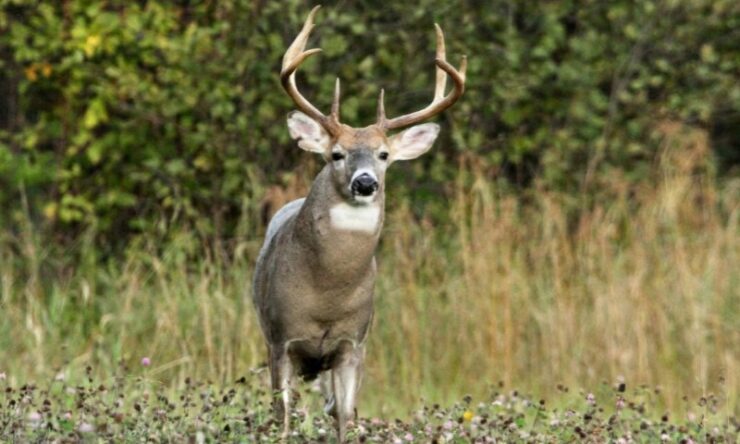
Deer season is the highlight of the year for many of us. Recent data shows a healthy harvest—about 14% above the 10-year average—which is why you’ll see a big focus on antlerless harvest in the latest deer harvest summary.
For the current cycle, youth weekend was in late September, followed by early archery in October and muzzleloader in November. Firearms dates generally kicked off November 15, though end dates vary by county.
If you’re into urban archery, those dates ran through March 2026, while Northern Virginia hunters had late archery options through April. Always check the specific Virginia deer rules for your neck of the woods.
Turkey Hunting: Spring vs. Fall
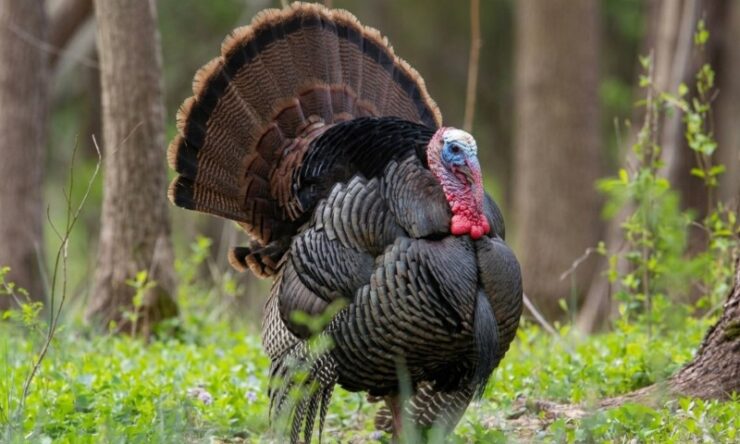
Spring turkey is usually the easiest to plan. Youth weekend is April 4-5, with the regular season running from April 11 through May 16. Just remember the timing change: early in the season it’s half-hour before sunrise until noon, then it expands to sunset later on. Check the DWR turkey regulations for all the details on bearded birds.
Fall turkey is a bit more complex since it’s very county-specific. Some areas open in mid-October, while others add dates around Thanksgiving and into January. Note that some cities like Virginia Beach and Norfolk remain closed for fall firearms turkey.
A quick note from the spring gobbler forecast: while the annual bag is three, only one can be beardless in the fall. Make sure you identify your bird clearly before taking the shot!
Tips for Bear Season
Bear hunting in Virginia takes some real homework. There’s a one-bear limit, weight requirements, and a strict rule against taking females with cubs. You’ll also need to report your harvest and submit a tooth as part of the Virginia bear rules.
Dates vary wildly depending on your county group. For instance, southwestern counties like Wise and Scott have specific early firearms and muzzleloader windows. Remember, baiting is a no-go statewide.
Small Game And Migratory Birds Offer More Flexibility
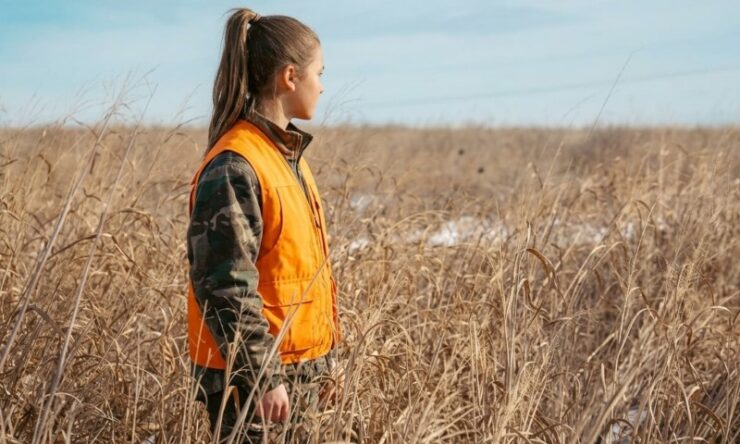
If you have a busy schedule, small game is a fantastic option. Squirrel seasons are quite generous, running through much of the fall and even into a short spring window in June. Check the small game seasons for specific rabbit and grouse dates based on your location.
For migratory birds, keep an eye on the split segments for dove and ducks. Waterfowl hunting comes with extra paperwork like HIP registration and stamps, so check the migratory bird regulations to ensure you have everything in order.
Sorting Out Your Paperwork
Make sure you’ve got the right permits before you hit the field. A basic license covers small game, but you’ll need extra tags for big game like deer, bear, and turkey. Archery and muzzleloader seasons also require their own licenses. You can find a full breakdown of the Virginia license rules online.
The most common slip-up is assuming one license covers everything. If you switch weapons or species mid-trip, double-check that you have the necessary privileges.
What People Usually Miss About Virginia Hunting Seasons
View this post on Instagram
Instead of just asking when the season opens, try to get specific: “Where am I hunting, and what are the rules for this specific weapon and species?”
Virginia is all about local rules. Just because an urban archery season is active doesn’t mean all land is open access. Always respect parcel rules and local ordinances to keep our hunting traditions strong.
Summary
Hunting in Virginia is incredibly rewarding if you take the time to plan. Whether you’re after deer, turkey, or small game, staying informed is the key to a great season.
For your 2026 hunts, keep the DWR site bookmarked, check the new fall digest when it drops, and always verify local rules before you head out. Good luck out there!