Did you know that most U.S. hunting seasons are designed using wildlife biology research and long-term population studies, not just tradition or convenience? Agencies track migration, herd size, reproduction cycles, and environmental changes before setting any rule. That surprises many new hunters who assume regulations are just red tape. The truth is, every regulation has a purpose.
If you plan to hunt across different states, understanding how rules vary is part of being responsible. When you respect the laws, you protect wildlife, prevent costly mistakes, and step into the woods knowing you are doing things the right way. That confidence matters, and it starts long before your boots ever hit the trail.
Why Every State Handles Hunting Regulations Differently
Wildlife needs in Montana are not the same as wildlife needs in Georgia. Climate, terrain, herd size, and hunting pressure are different in every region, which is why hunting regulations change from state to state. Instead of guessing or assuming your last state’s rules apply everywhere, it is important to slow down and read the guidelines carefully.
States set their own licensing systems, season structures, and harvest limits based on conservation priorities. Responsible hunters treat those rules as part of preparation, not as an obstacle. Once you get used to checking official regulations each year, it simply becomes part of how you hunt correctly and respectfully.
Getting Legal Requirements In Order Before You Hunt
Before worrying about strategy, scouting, or equipment, every hunter needs to take care of legal basics. That starts with securing the correct state license, then checking whether species-specific tags or additional permits are required. Many states also require hunter education certification, especially for newer hunters.
Taking a little time to read requirements prevents serious trouble later. Hunting without the right license or permit is considered a serious violation in many places, and fines can be steep.
Fact to remember: Most states clearly publish their hunting laws online and update them every year. Checking official information only takes a few minutes, but it protects you from major legal consequences.

Seasons And Why They Exist For Safety And Conservation
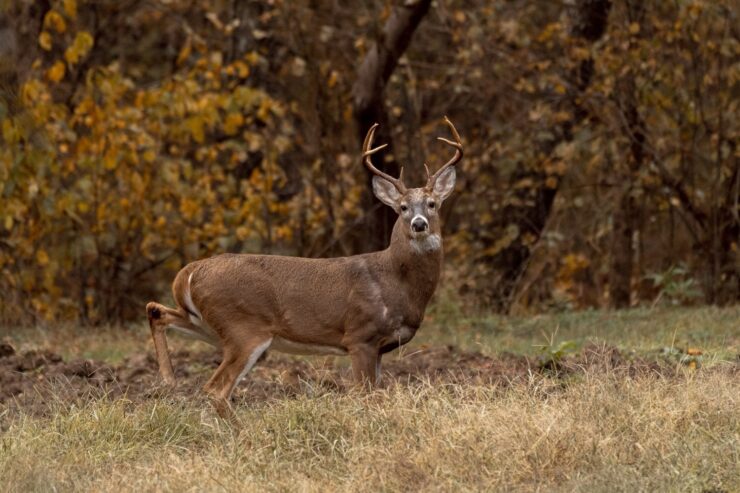
Hunting seasons are carefully planned, not randomly selected calendar dates. Wildlife agencies evaluate breeding cycles, fawn survival rates, migration patterns, and overall population stability when setting rules. That structure keeps wildlife healthy and prevents overharvest. Seasons are also designed to improve hunter safety and create fair opportunities for everyone, rather than allowing unregulated hunting that can damage animal populations and public trust.
Key things seasons are designed to protect and manage:
- Wildlife population balance and long-term sustainability
- Breeding and fawn-rearing cycles
- Safe spacing of hunting pressure
- Fair opportunity across different hunting methods
Different methods also have different seasons. Bow seasons, youth hunts, muzzleloader periods, and firearm seasons are separated to manage pressure. When we respect those dates, we support conservation instead of harming it. That is a big reason hunting is recognized as a responsible wildlife management tool in the United States.
Tags, Harvest Limits, And Reporting Rules Explained
Tags and harvest reporting exist for a reason. They help wildlife departments accurately track how many animals are harvested each year and decide future regulations. Some states require physical tags attached to animals, while others use digital reporting or phone systems. Many require check-in numbers or verification.
Bag limits prevent abuse and ensure wildlife populations stay stable. These rules are not inconveniences. They are essential tools that keep hunting sustainable. When hunters tag properly and report honestly, they show respect for wildlife and the tradition they care about.
Preparation, Gear, And Staying Ready For The Field
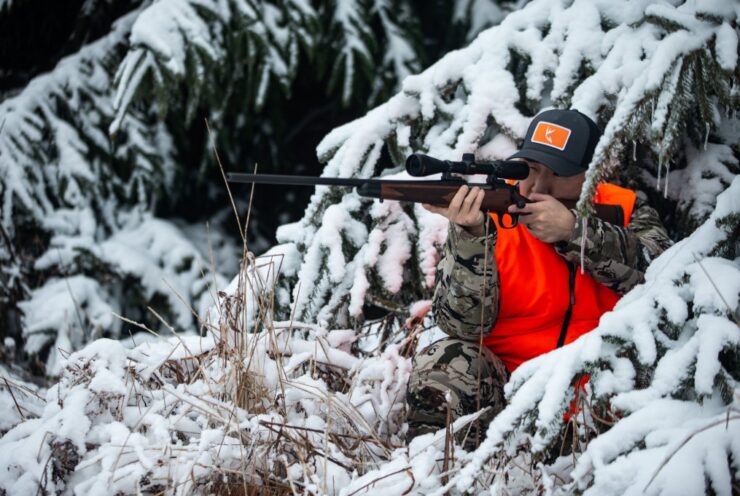
Preparation does not end with legal paperwork. It continues with safety gear, clothing layers, navigation tools, and field readiness. Good equipment does not make you a better hunter by itself, but it supports your skill and judgment in the outdoors.
Many hunters rely on trusted equipment such as NJEUS outdoor gear to stay prepared. Reliable clothing, durable packs, and dependable accessories help you stay comfortable, safe, and focused in changing weather and rough terrain.
Simple preparation reminders:
- Check state regulations before traveling
- Keep safety colors where required
- Carry licenses and permits securely
- Always have navigation and emergency contact plans
How Rules Actually Differ Between States
Even neighboring states can have completely different rules. That is why assuming is dangerous. Here is a simple example showing how systems may vary.
|
State Example |
Residency Impact |
Tag System |
Mandatory Reporting |
| Colorado | Yes | Limited draw plus some over-the-counter | Required |
| Texas | Yes | Species-based permits | Often required |
| Pennsylvania | Yes | Standard tags plus special permits | Required |
This small comparison already shows how unique each place can be. Always read the current year’s rules instead of relying on memory or secondhand information.
Below this, the most important takeaway is straightforward: hunting legally is not complicated when you take time to learn before heading out.
Ethics, Fair Chase, And Respect For Wildlife
Hunting legally is only part of the responsibility. Ethical hunting matters just as much. Respecting wildlife, practicing fair chase, and treating the land properly are fundamental values. Cutting corners or bending rules may seem harmless to some people, but it hurts conservation and the reputation of hunters everywhere.
Real hunters respect property boundaries, practice firearm safety, and appreciate the life of the animals they pursue. Done correctly, hunting is honorable, sustainable, and deeply meaningful.
Did you know? Ethical hunting and lawful hunting are the reason North American wildlife populations are among the healthiest managed populations in the world today.

Before You Head Into The Wilderness
Before your next trip, take a moment to ask yourself whether you truly understand your state’s current rules.
- Do you have the right license?
- Do you know the season dates?
- Are your tags ready?
- Have you read recent updates?
Regulations exist to protect wildlife, support conservation, and keep hunters safe. Learning them is simply part of being serious about the lifestyle. When you approach hunting with preparation, respect, and legal awareness, you protect the land, the animals, and the future of hunting.
Stay informed, stay compliant, and enjoy your time outdoors with confidence and pride.